
What Are Examples of Mission Critical Facilities? A Guide to Critical Infrastructure
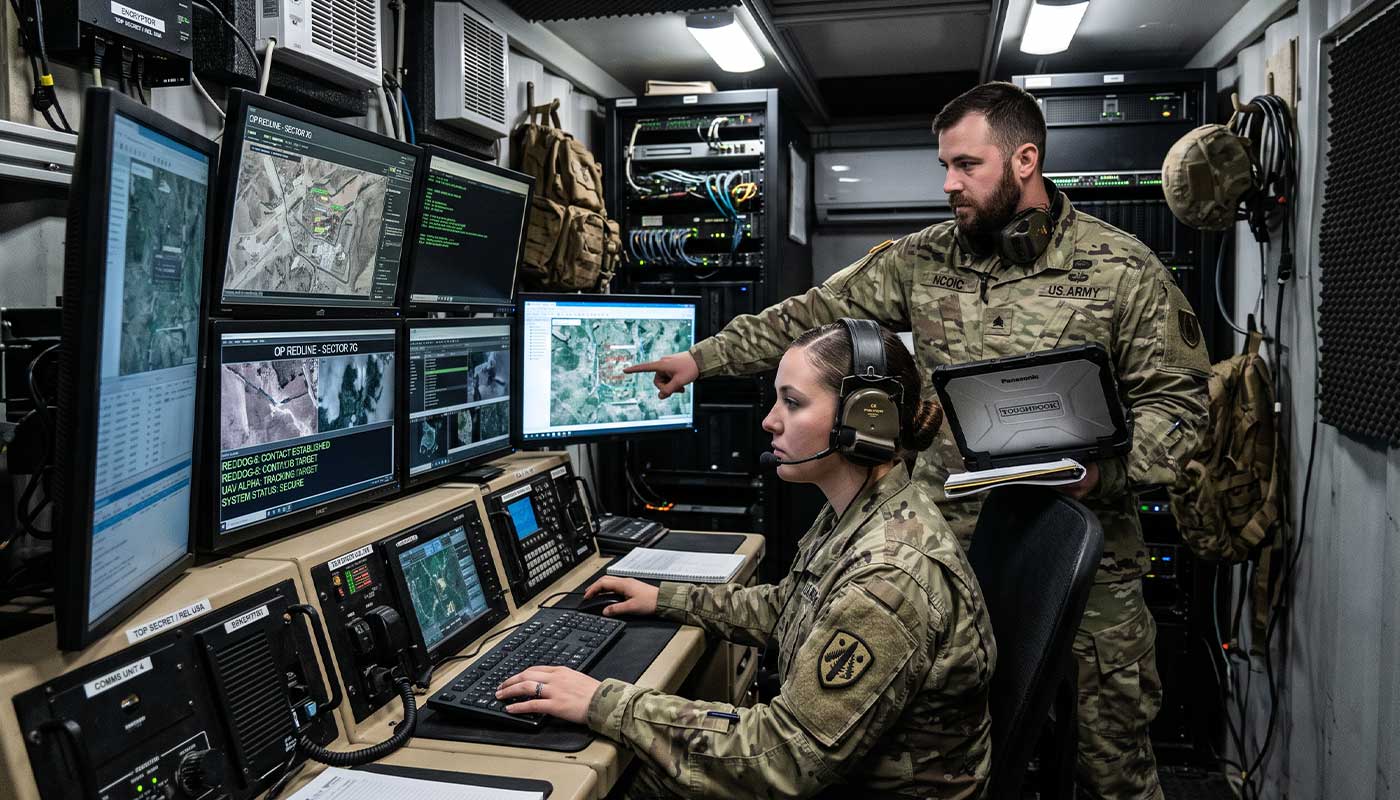
Mission critical facilities are buildings and infrastructure where even a short interruption can have serious operational, financial, public safety, or national security consequences. But what actually qualifies as a mission critical facility? And what does it take to construct, install, and maintain these facilities when downtime is not an option?
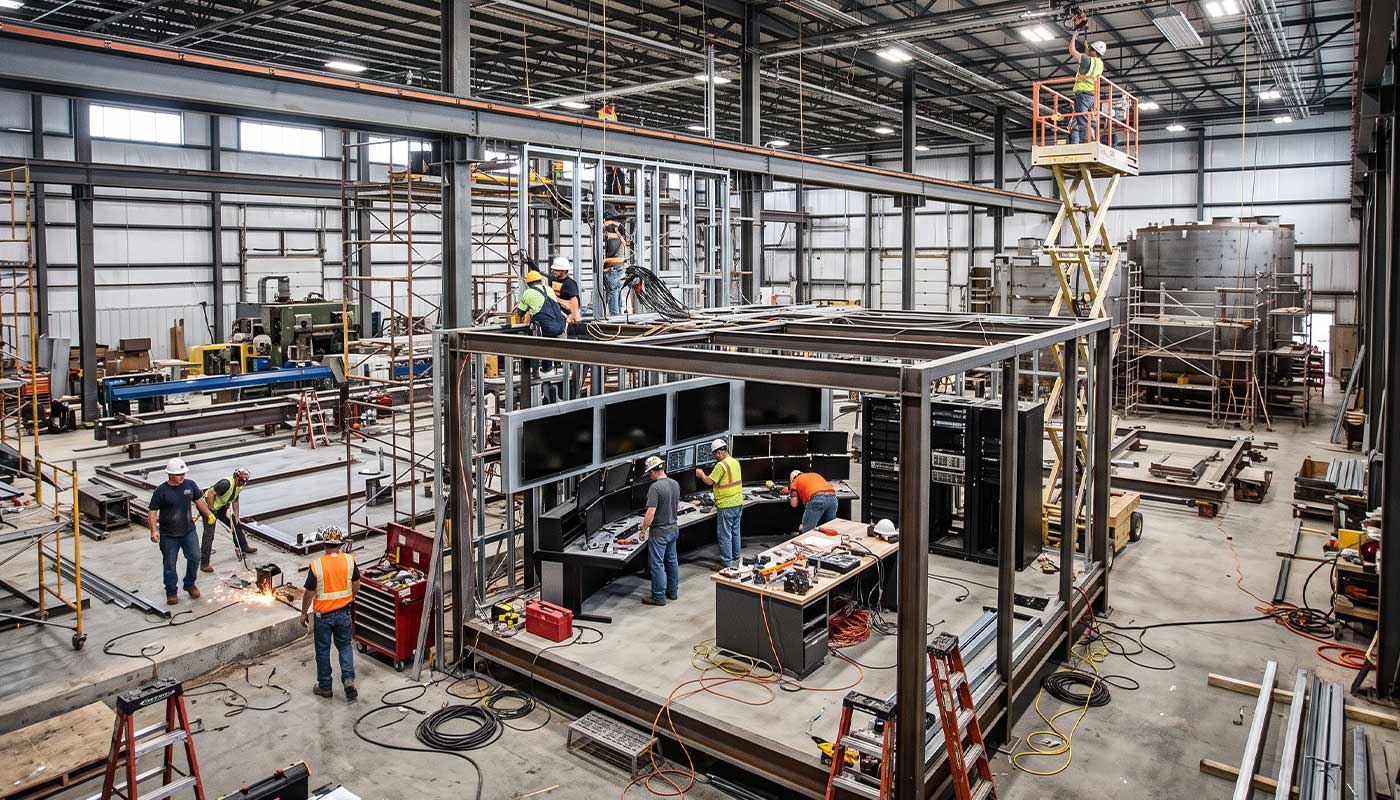
Across the United States, mission critical environments support essential services that businesses, government agencies, healthcare organizations, communities, and the military depend on every day. These facilities require specialized planning, construction management, materials, systems, and installation practices designed around reliability and continuity.
At Mission Critical Installation, we have completed thousands of installations for government and private-sector clients throughout the United States. Our experience spans demanding environments where performance, compliance, durability, and minimal downtime are essential.
What Types of Facilities and Buildings Are Considered Mission Critical?
Mission critical facilities exist across a wide range of industries. While the specific requirements vary, they share a common characteristic: failure or extended downtime can have significant consequences.
So, what are some of the most common examples?
1. Data Centers
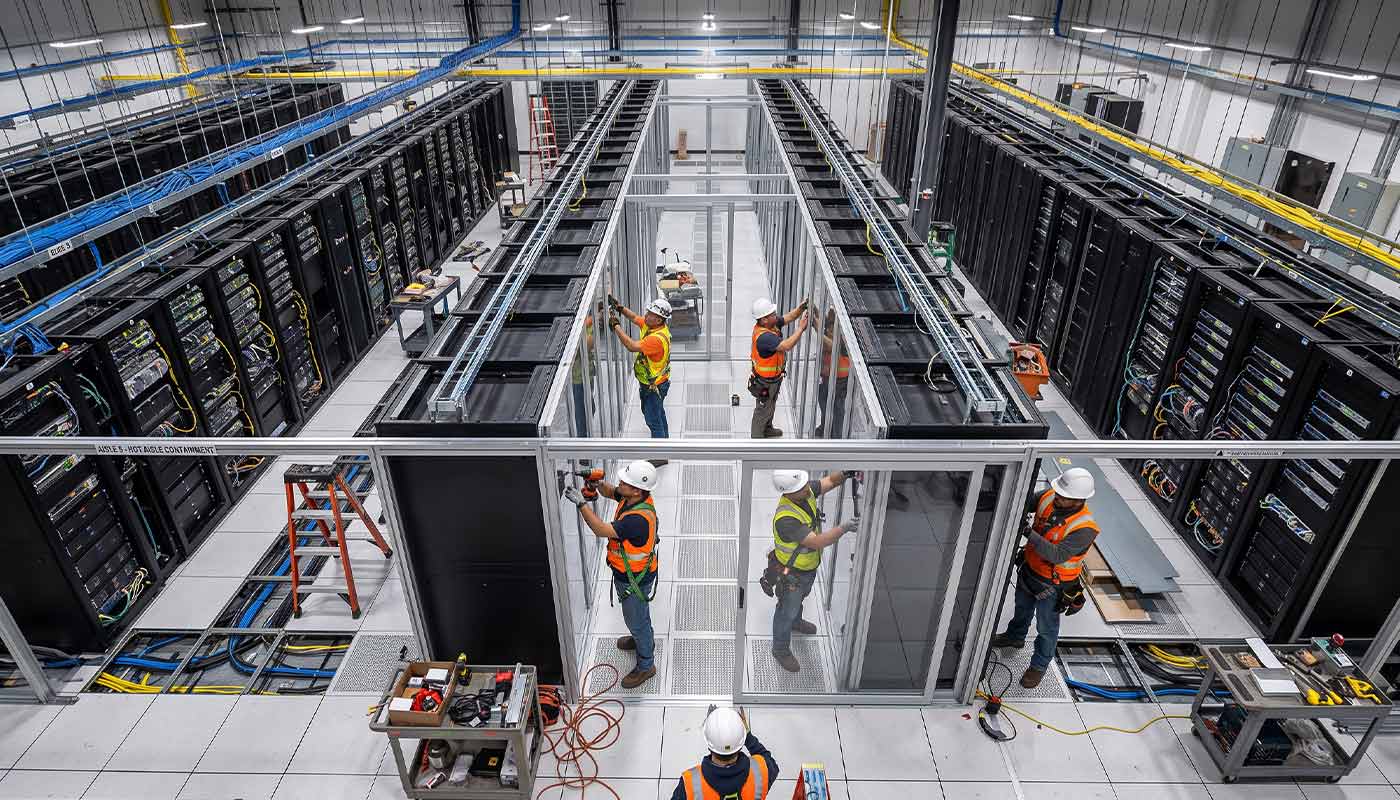
Data centers are among the most recognizable examples of mission critical facilities. They house the computing infrastructure responsible for cloud services, financial transactions, communications, government systems, artificial intelligence, and countless other digital operations.
What happens if a data center experiences an unexpected outage?
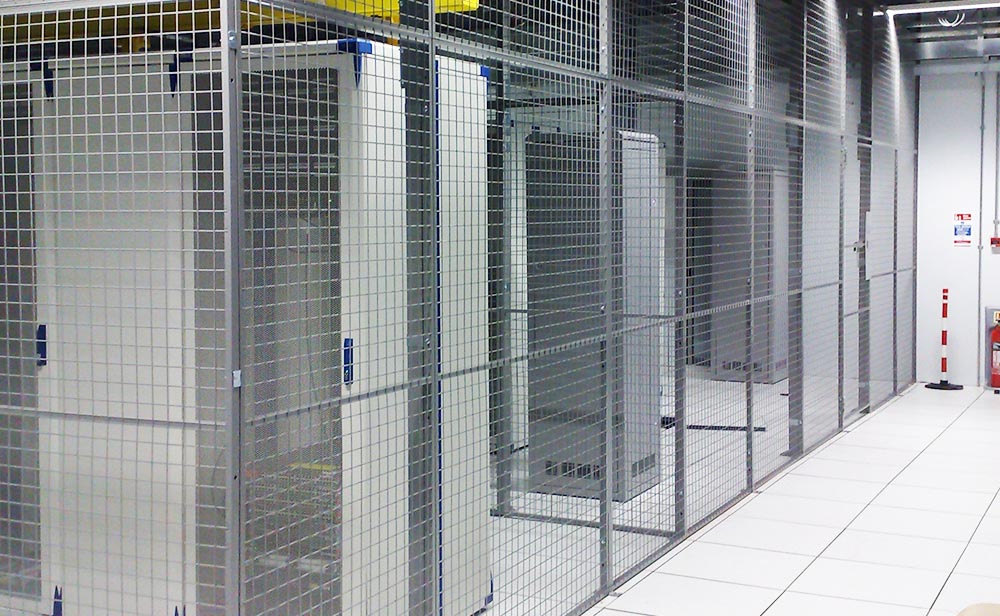
Even minutes of downtime can result in lost revenue, interrupted services, security concerns, and significant operational disruption. For that reason, data center construction and installation often incorporate redundant power and cooling systems, fire protection, specialized building materials, environmental controls, physical security, and carefully coordinated installation procedures.
Construction management is particularly important in these environments because multiple trades and systems must be installed without compromising existing operations.
2. Military and Defense Facilities
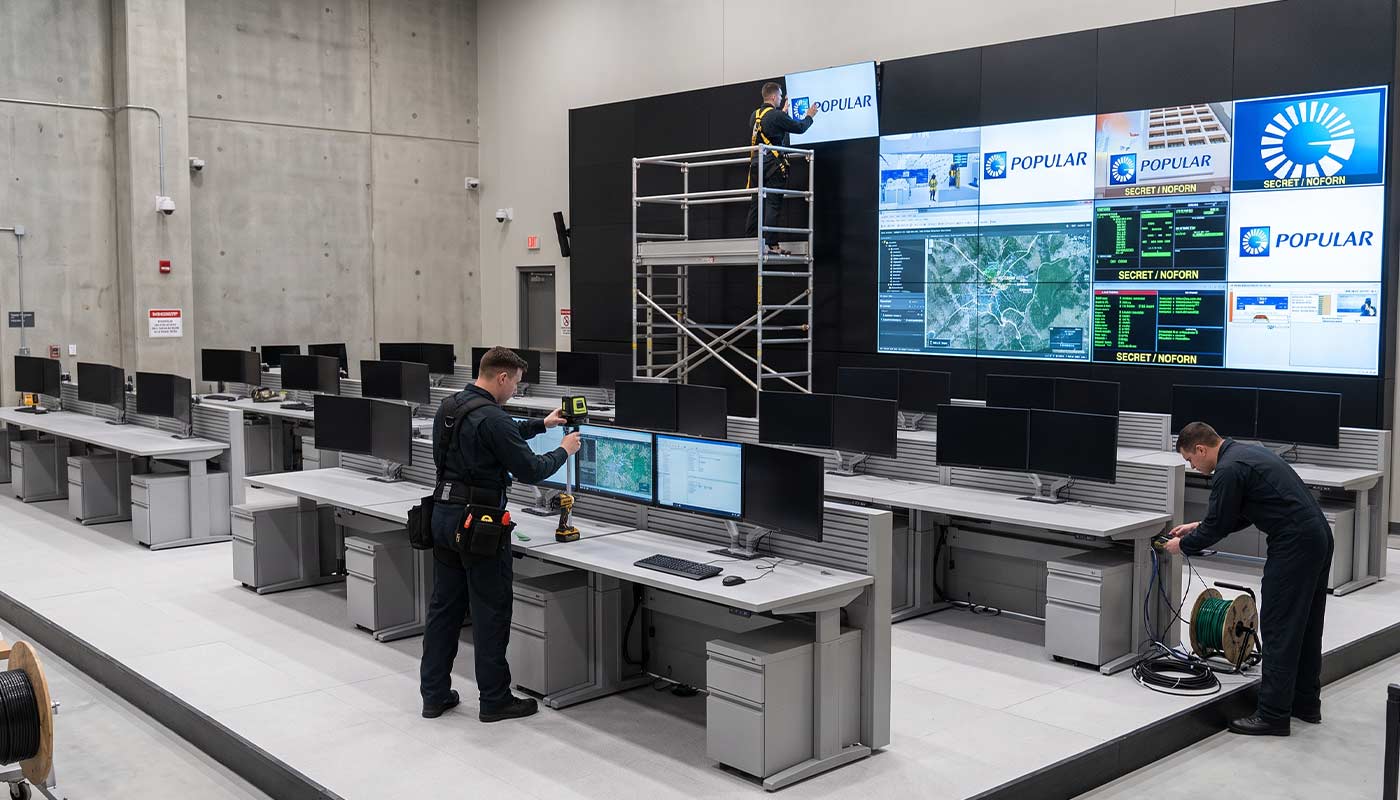
Military installations and defense facilities have some of the most demanding requirements for mission critical construction and installation.
These environments can include command centers, secure communications facilities, weapons-related infrastructure, aircraft support facilities, training facilities, intelligence operations, and other defense-related buildings.
Why is specialized installation so important for defense facilities?
Projects may need to satisfy federal agency requirements, security standards, military construction specifications, applicable building codes, and strict project schedules. Materials and installation methods may also need to meet specific performance, durability, fire-resistance, security, or environmental requirements.
Working in these environments requires an understanding of the unique requirements associated with government and defense construction.
3. Hospitals and Healthcare Facilities
Hospitals are mission critical environments because patient care cannot simply stop when a building system needs maintenance or construction.
Operating rooms, emergency departments, intensive care areas, laboratories, imaging departments, pharmacies, and other healthcare spaces depend on reliable building infrastructure. Construction and installation activities must therefore be carefully planned to protect patients, staff, equipment, and ongoing hospital operations.
How do you complete construction work in a facility that operates 24 hours a day?
Effective construction management, phased installation, infection-control considerations, safety procedures, communication with facility personnel, and careful scheduling can all be essential. In many cases, work must be performed while surrounding areas remain fully operational.
4. Health and Public Safety Buildings
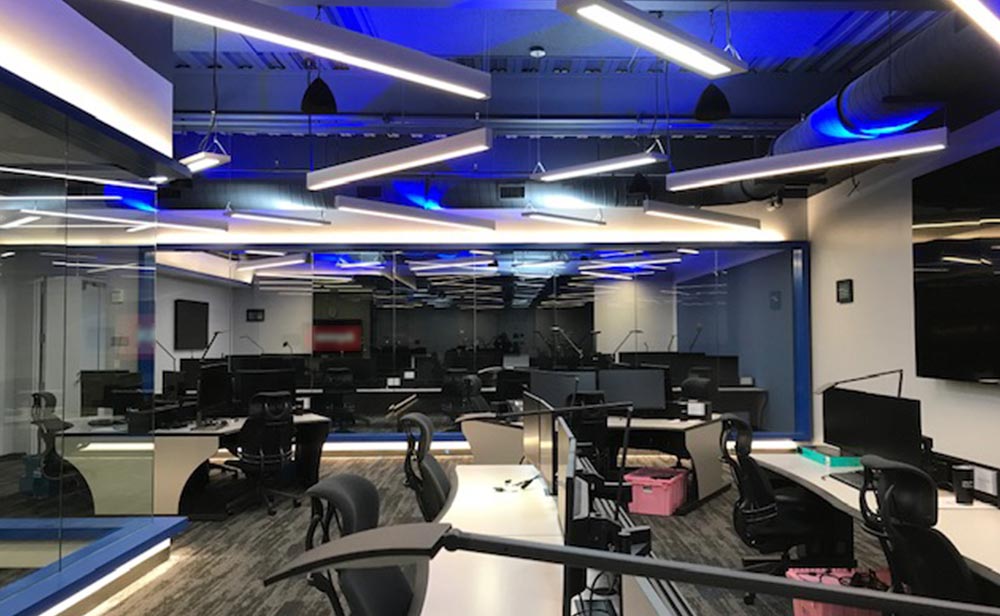
Mission critical facilities also include emergency response centers, public safety buildings, emergency operations centers, fire and emergency medical facilities, and other infrastructure supporting community response.
During an emergency, these facilities need to remain operational when the surrounding community may be experiencing severe disruption.
That raises an important question: Can the facility continue operating when normal infrastructure is compromised?
Design and construction may incorporate backup power, resilient building systems, redundant communications, hardened components, specialized materials, and other measures intended to support continuity of operations.
5. Utilities and Energy Infrastructure
Utility facilities are another important category of mission critical infrastructure. Electric utilities, water and wastewater facilities, power generation facilities, substations, and other infrastructure provide services that communities and businesses cannot operate without.
What would happen if a critical utility facility were unavailable for an extended period?
The consequences can extend far beyond a single building. Utility infrastructure may support hospitals, emergency services, manufacturing facilities, transportation systems, commercial buildings, and residential communities.
Installation and construction projects in these environments often require careful coordination, specialized materials, compliance with applicable codes and standards, and strategies for maintaining operations throughout the project.
6. Financial Services Facilities
Financial institutions depend on highly reliable infrastructure to process transactions, protect sensitive information, and maintain continuous access to financial systems.
Mission critical environments in the financial sector can include data centers, technology facilities, operations centers, secure storage areas, and other specialized buildings.
Why is downtime such a significant concern for financial services?
A system interruption can affect transactions, communications, customer access, and business operations. Facilities therefore often incorporate redundant infrastructure, security systems, environmental controls, fire protection, and other measures designed to reduce operational risk.
7. Transportation Facilities
Transportation infrastructure is another essential part of the mission critical landscape.
Examples can include airports, aviation facilities, transit operations centers, rail infrastructure, transportation control centers, ports, and other facilities that support the movement of people and goods.
How do you perform construction or installation work without disrupting transportation operations?
The answer often involves detailed construction management and coordination. Work may need to be completed in phases, during restricted operating windows, or alongside active transportation systems.
Safety, scheduling, access control, regulatory compliance, and coordination among contractors and facility operators can all become critical components of the project.
8. Manufacturing and Industrial Facilities
Modern manufacturing and industrial operations can also qualify as mission critical environments. Advanced manufacturing plants, pharmaceutical facilities, industrial processing facilities, semiconductor-related operations, and other specialized production environments may depend on continuous and precisely controlled operations.
An unexpected shutdown can result in damaged materials, lost production, equipment problems, missed delivery schedules, or significant financial losses.
What happens when construction needs to take place inside an active industrial facility?
Planning becomes essential. Installation activities may need to be coordinated around production schedules, safety requirements, environmental controls, specialized equipment, and existing infrastructure.
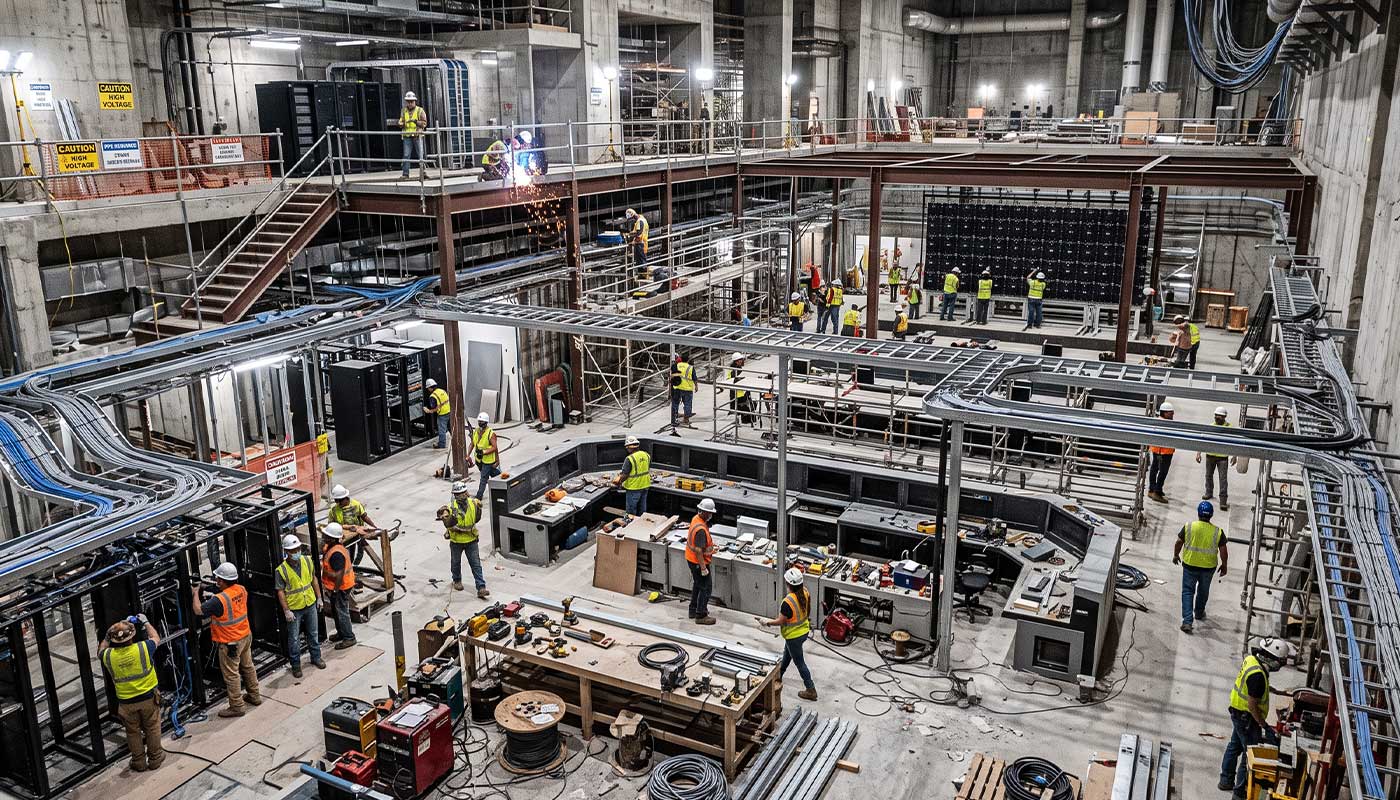
Why Is Minimal Downtime So Important?
One of the defining characteristics of mission critical construction is the need to minimize disruption.
Traditional construction can sometimes accommodate interruptions or temporary shutdowns. Mission critical facilities frequently cannot.
A hospital cannot simply stop treating patients. A data center cannot casually disconnect critical systems. A military command facility cannot compromise essential operations. A manufacturing plant may not be able to stop production without significant consequences.
This is why mission critical installation often requires a different approach to planning and execution.
Projects may involve:
- Detailed phasing and scheduling
- Coordination between multiple trades
- Work performed around active operations
- Temporary protection and isolation measures
- Specialized installation procedures
- Strict quality-control requirements
- Safety and security protocols
- Close coordination with facility management
- Testing and commissioning
- Compliance with applicable codes and standards
The goal is simple: complete the work while maintaining the highest practical level of operational continuity.
How Do Codes and Compliance Affect Mission Critical Projects?
Mission critical facilities must meet applicable building codes, safety requirements, industry standards, owner specifications, and, in many cases, federal agency requirements.
Depending on the facility, projects may involve requirements established by federal agencies, state and local authorities, military organizations, healthcare regulators, or industry-specific standards.
Why does this matter?
A material or installation method that is acceptable in a conventional building may not be appropriate for a mission critical environment.
Projects may require specialty materials selected for properties such as fire resistance, durability, chemical resistance, acoustic performance, moisture resistance, security, or other specific requirements.
Compliance must therefore be considered from the beginning of a project—not after installation is complete.
What Role Does Construction Management Play?
Construction management is one of the most important elements of successful mission critical installation.
Mission critical projects can involve owners, architects, engineers, general contractors, specialty contractors, facility managers, government representatives, inspectors, and numerous other stakeholders. Each group may have different responsibilities and requirements.
How do you keep all of those moving parts coordinated?
Strong construction management provides the framework for planning, scheduling, communication, quality control, safety, documentation, and execution.
For active facilities, construction managers and installation teams may also need to coordinate work around operating equipment, restricted areas, security requirements, shutdown windows, and facility-specific procedures.
The objective is not simply to finish the construction. It is to deliver the required installation without unnecessarily affecting the facility’s mission.
What Makes Mission Critical Installation Different?
Mission critical installation requires more than installing materials according to a standard schedule. It requires understanding the environment in which the installation will operate.
At Mission Critical Installation, our work supports government and private-sector clients across the United States. With thousands of installations completed, our experience includes projects where reliability, compliance, specialized materials, safety, and minimal downtime are central to the job.
Whether the project involves a data center, military facility, hospital, public safety building, utility, financial services facility, transportation operation, manufacturing plant, or other critical infrastructure, the installation process must be approached with the facility’s mission in mind.
Is Your Facility Mission Critical?
If your building or infrastructure supports essential services, critical operations, public safety, national defense, healthcare, technology, utilities, transportation, financial services, or industrial production, the answer may be yes.
But the more important question is: Is your installation strategy designed for the consequences of downtime?
Mission critical facilities require careful planning, qualified installation, construction management, specialty materials, regulatory compliance, and an understanding of the operational demands of the facility.
From government and defense projects to private-sector facilities, Mission Critical Installation provides installation expertise throughout the United States.
When your facility cannot afford unnecessary downtime, the installation process matters.