
What to Expect During a Mission Critical Infrastructure Installation Project
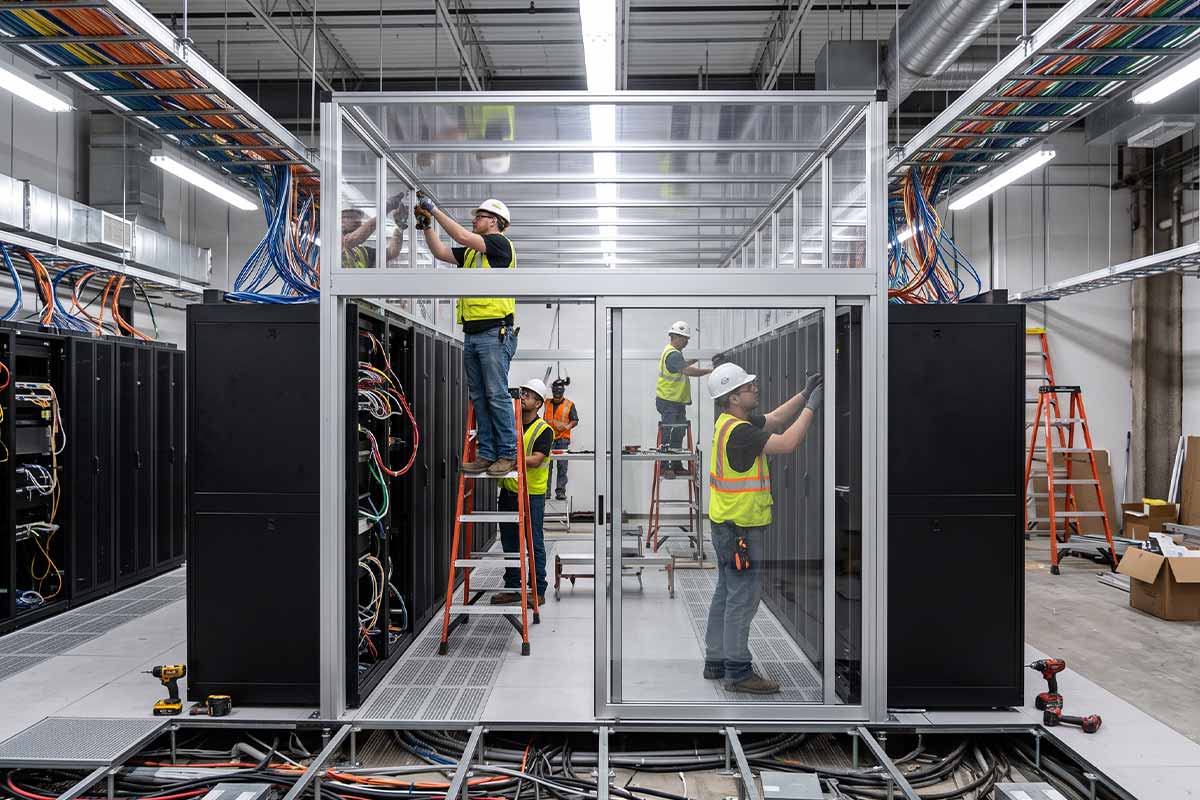
When it comes to Mission Critical Infrastructure, there is no margin for error.
These environments support essential operations where downtime is not just inconvenient but potentially catastrophic. From data centers to emergency operations centers, every phase of an installation project must be carefully planned, executed, and validated. Understanding what to expect during a mission critical infrastructure installation project can help stakeholders minimize risk, maintain uptime, and ensure long-term performance.
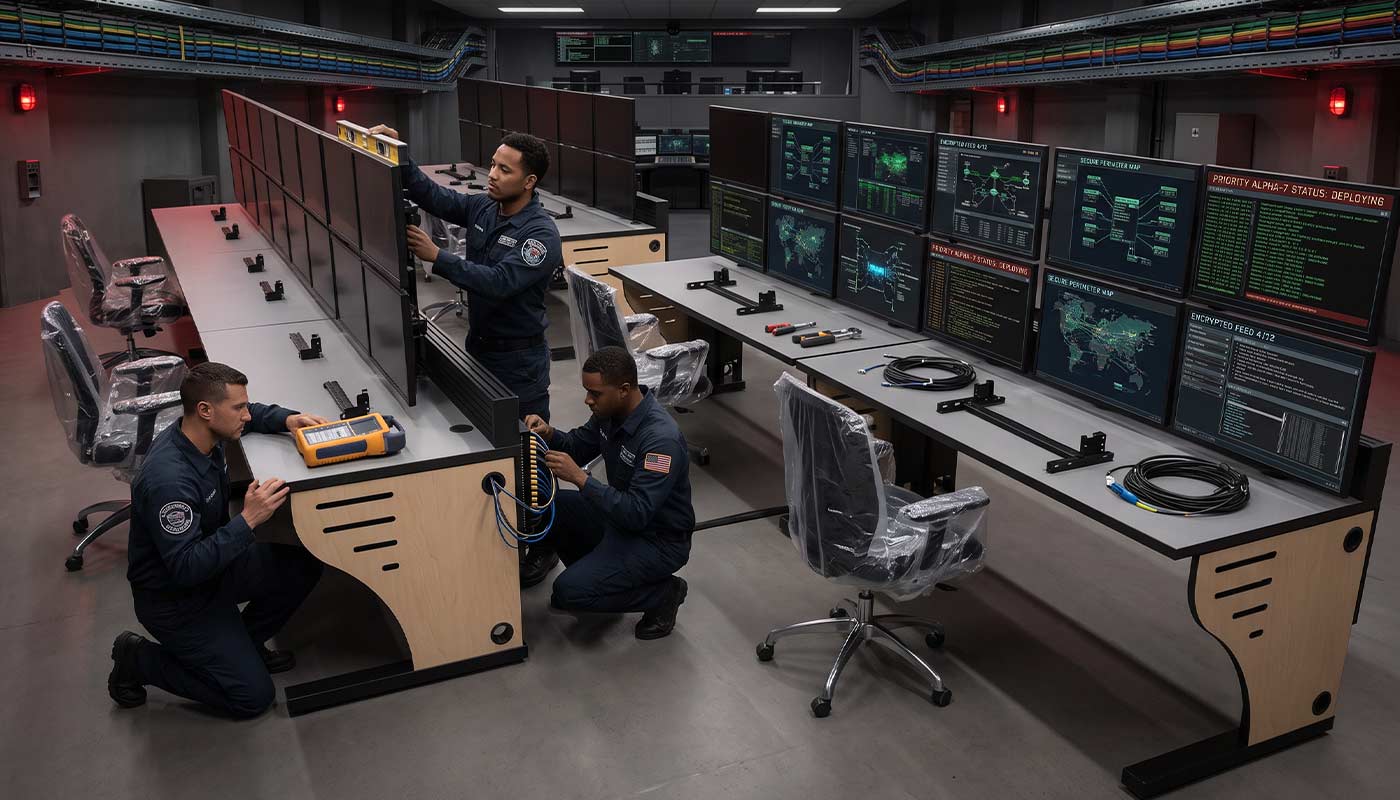
Mission Critical NOC Furniture Infrastructure Installation
Initial Planning and Site Assessment
Every successful installation begins with a detailed planning phase. This includes a full site assessment to evaluate current conditions, infrastructure limitations, and operational requirements. Teams will review floor load capacities, existing electrical systems, cooling capabilities, and spatial constraints.
During this stage, coordination with stakeholders is essential. Engineers, facility managers, and installation specialists work together to define project scope, timelines, and risk mitigation strategies. The goal is to identify potential issues before any physical work begins.
Design and Engineering Alignment
Once the assessment is complete, the project moves into design alignment. This step ensures that all infrastructure components, including raised access flooring, containment systems, and cable management solutions, are configured to support performance goals.
This phase often involves collaboration with standards organizations such as the Uptime Institute to align with recognized best practices. Design considerations may include redundancy, airflow optimization, and scalability for future growth.
Clear documentation is produced at this stage, outlining installation procedures, material specifications, and sequencing plans. This documentation becomes the blueprint for execution.
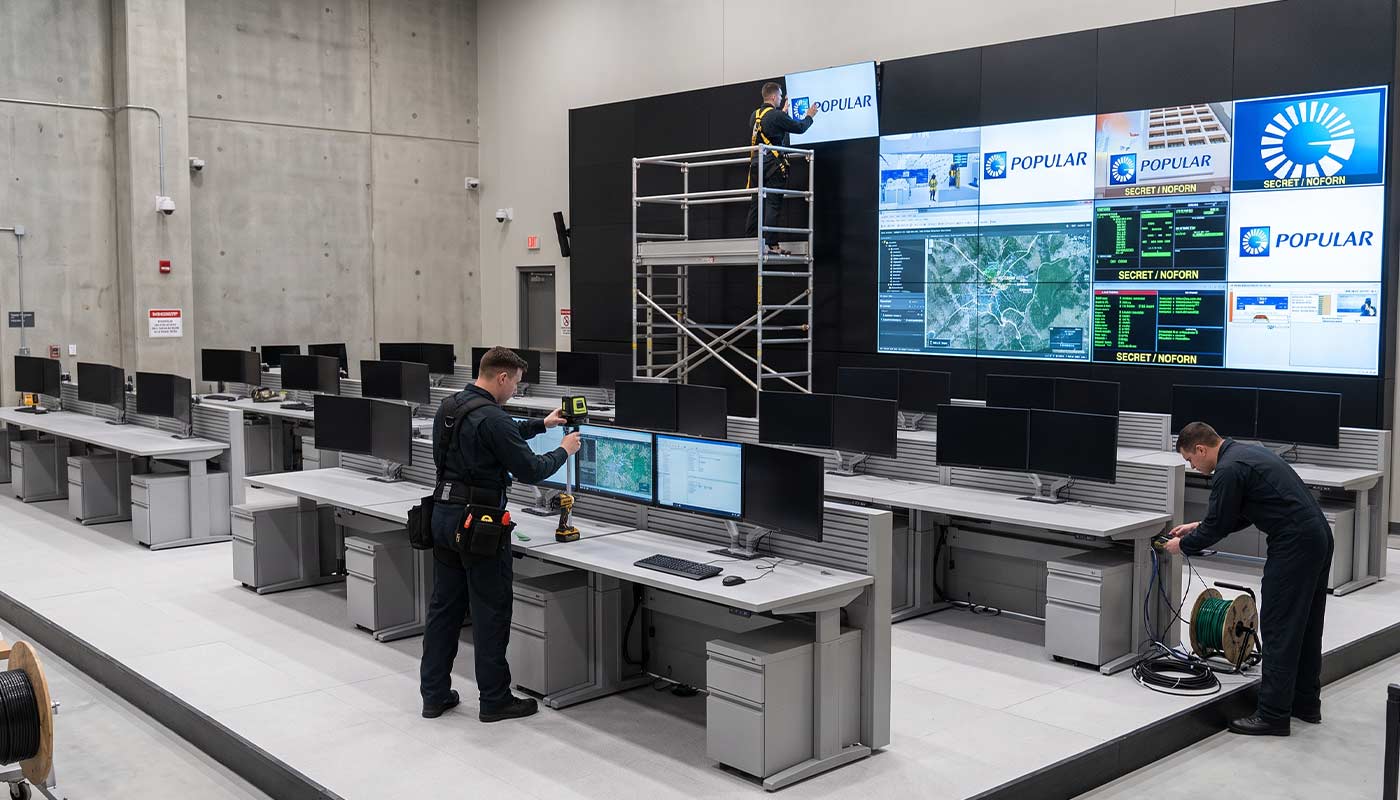
Audio Video Wall Installation
Pre-Installation Preparation
Before installation begins, significant preparation takes place behind the scenes. Materials are procured, inspected, and staged for delivery. Logistics planning is especially critical in mission critical environments where space is limited and access may be restricted.
Contractors also establish safety protocols and contingency plans. In many cases, installation work must occur in live environments, meaning operations continue while upgrades are underway. This requires careful scheduling, often during off-hours or in phased segments to avoid disruption.
Installation Execution
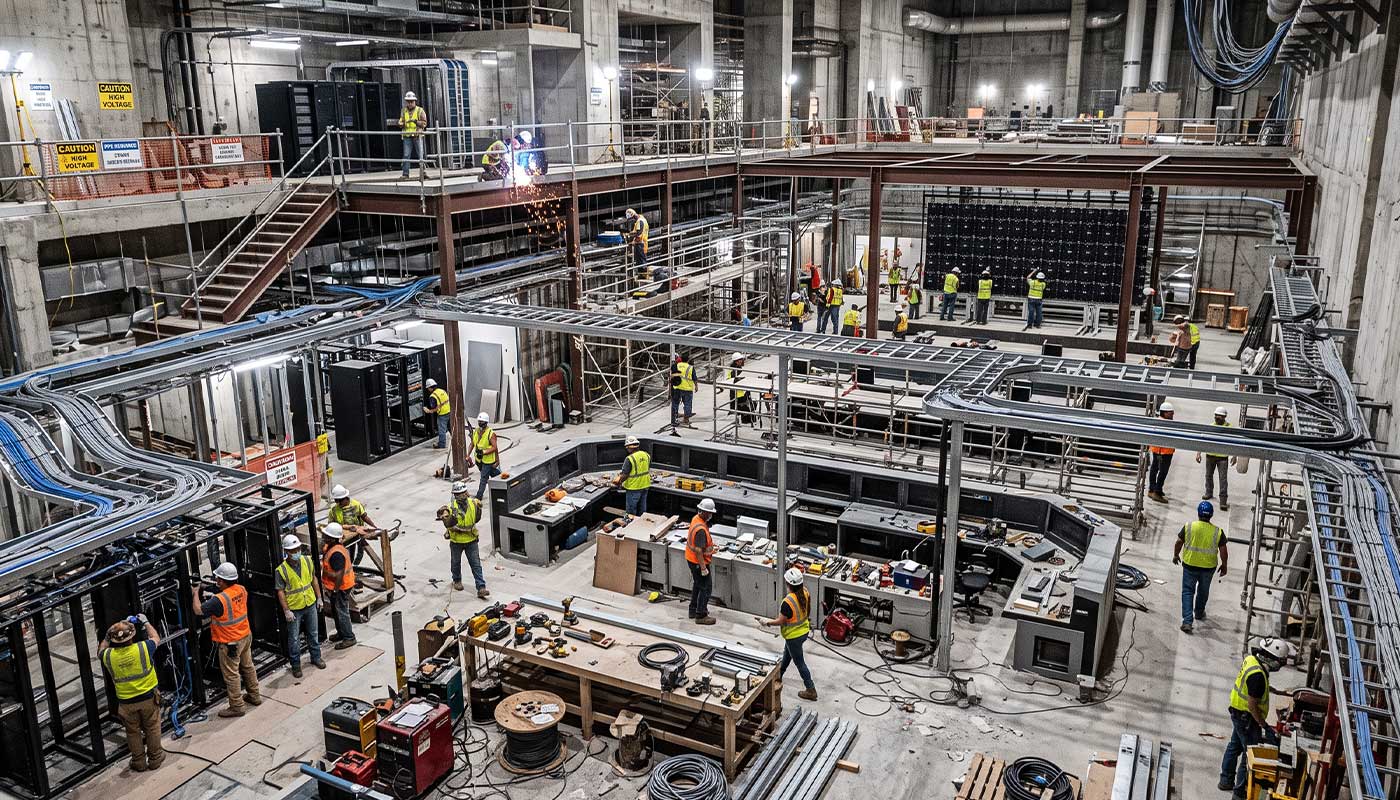
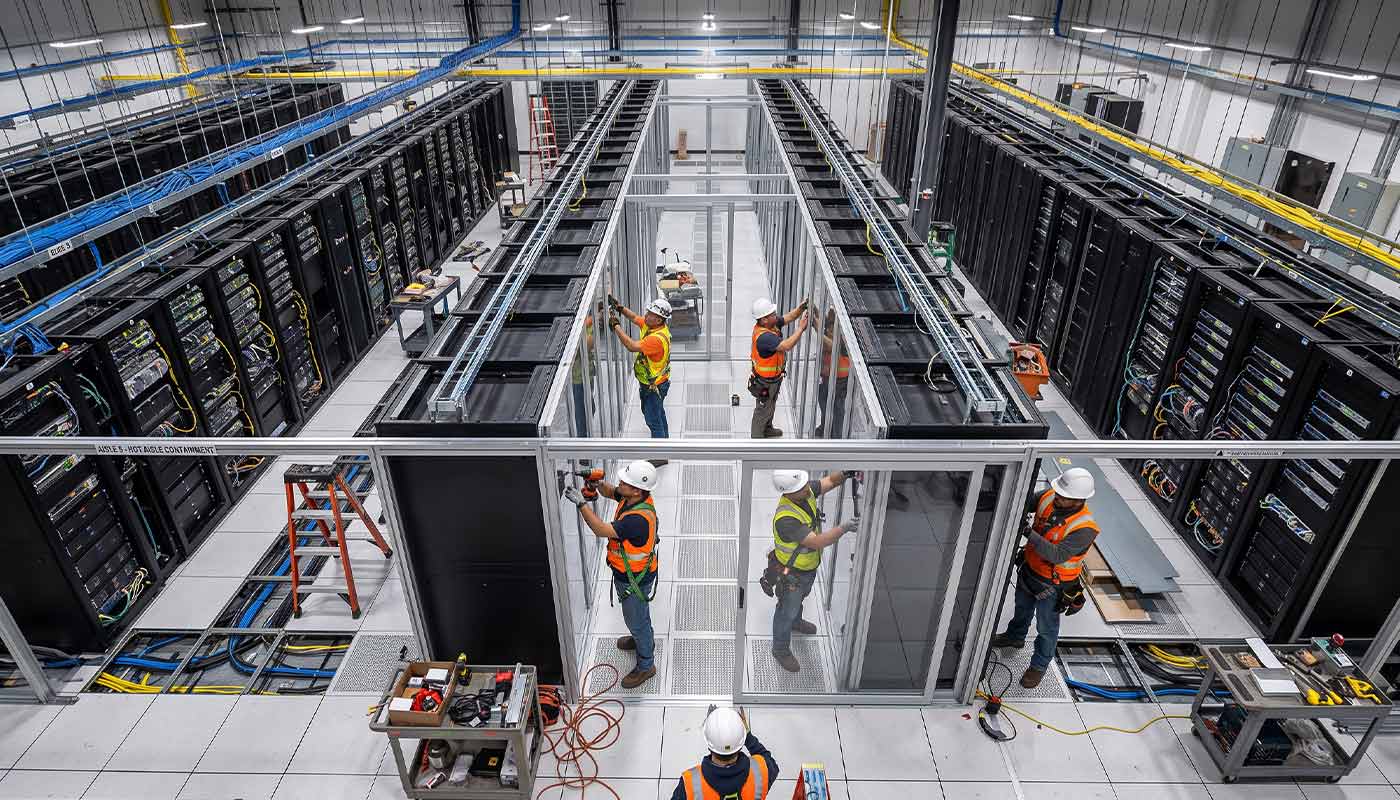
The installation phase is where planning meets reality. Skilled technicians carry out the work according to strict guidelines, ensuring precision at every step. This may include installing raised floor systems, positioning airflow panels, sealing cable penetrations, and integrating containment solutions.
Attention to detail is critical. Even small gaps or misalignments can impact airflow efficiency and cooling performance. Teams continuously monitor progress to ensure adherence to design specifications.
Communication remains constant during this phase. Project managers coordinate with on-site personnel to address any unforeseen challenges and keep the project on schedule.
Working in Live Environments
One of the defining aspects of mission critical installation projects is the need to work in active facilities. Unlike standard construction projects, systems often cannot be shut down.
To manage this, installers use phased approaches and isolation techniques. Work areas are carefully segmented, and temporary safeguards are put in place to protect existing infrastructure. This minimizes risk while allowing upgrades to proceed.
Strict protocols are followed to prevent contamination, accidental disruptions, or safety hazards. Every action is deliberate and controlled.
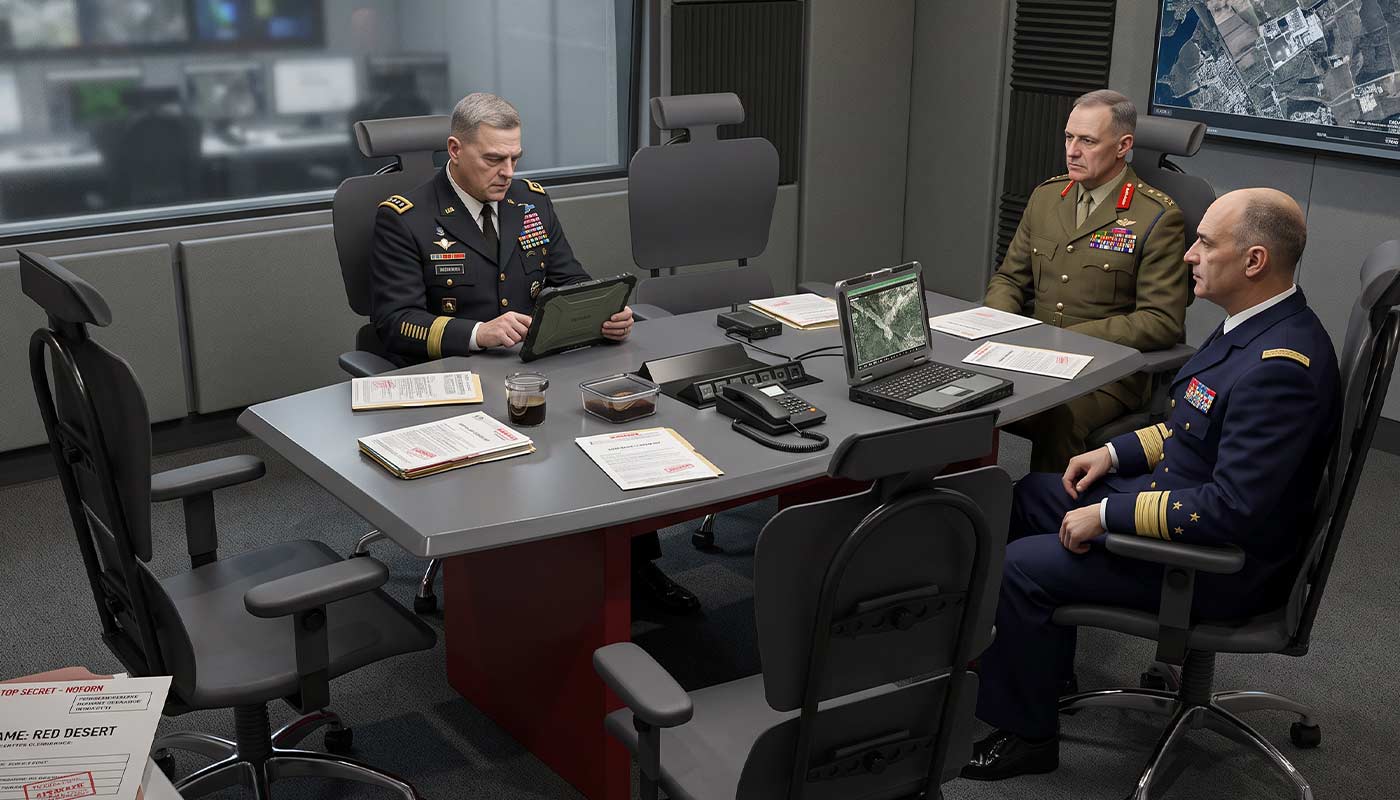
Custom Military Conference Room Table Installed in a Secure Facility
Testing and Quality Assurance
After installation is complete, rigorous testing and quality assurance processes begin. This step verifies that all components are functioning as intended and that performance targets are met.
Testing may include airflow analysis, load testing, and system validation. Any deficiencies are identified and corrected before the project moves forward. Documentation is updated to reflect final conditions and compliance with specifications.
This phase is critical for ensuring long-term reliability. It confirms that the installation not only meets design requirements but also performs effectively under real-world conditions.
Commissioning and Handover
The final stage of a mission critical infrastructure installation project is commissioning and handover. During commissioning, systems are fully integrated and tested as a complete solution. This ensures that all components work together seamlessly.
Detailed reports and documentation are provided to the client, including maintenance guidelines and operational recommendations. Training may also be conducted to ensure facility teams understand how to manage and maintain the new infrastructure.
A successful handover marks the transition from installation to ongoing operation, with confidence in system performance and resilience.
Frequently Asked Questions About Mission Critical Infrastructure Installation
1. What is a mission critical infrastructure installation project?
A mission critical infrastructure installation project involves deploying or upgrading systems and equipment that must operate reliably with minimal risk of downtime.
2. How long does a mission critical infrastructure installation take?
Project timelines vary based on the facility, scope, and complexity, but detailed planning and phased installation can help keep projects on schedule.
3. Can mission critical infrastructure be installed in an active facility?
Yes, experienced installation teams can work in operational facilities using carefully planned phases and procedures designed to minimize disruption.
4. What is involved in commissioning mission critical infrastructure?
Commissioning involves testing and validating installed systems to confirm they meet design specifications, performance requirements, and operational expectations.
5. Why is specialized installation important for mission critical infrastructure?
Specialized installation helps reduce operational risks, protect uptime, and ensure critical infrastructure performs reliably over its intended service life.
Key Takeaways
A mission critical infrastructure installation project is a complex, highly coordinated effort that demands precision, planning, and expertise. From initial assessment to final commissioning, every step plays a vital role in ensuring reliability and uptime.
By understanding what to expect throughout the process, organizations can better prepare for installation projects and make informed decisions. The right approach not only minimizes risk but also maximizes performance, efficiency, and long-term value.
Ready to discuss your mission critical infrastructure project? Request a Quote or contact our team to get started.